
Planning & Preparation
Fitness Levels
Our expeditions are suitable for travellers with a wide range of fitness levels, we have voyages specifically tailored to those looking for an active adventure with opportunities to hike, climb, kayak, camp and even scuba dive. If however you are inclined to explore Antarctica at a slightly more sedate pace we have the voyage for you as well, ships where you every need aboard will be catered to and off ship explorations are designed to allow for the maximum experienceces of the wildlife and scenery using the ships zodiacs and making short walks ashore.
The great thing about an expedition voyage to Antarctica is that no matter your fitness level and motivation for activity you will have the experience of a lifetime, we have had the priviledge of organising voyages for mountain climbers and extreme skiers as well as travellers confined to wheelchairs plus of course many who fall between these extremes. All were able to see and experience the majesty of Antarctica, witness its unique wildlife and have the trip of a lifetime.
Our experienced team are here to assist with any questions you may have about appropriate ships for your activity level, you are welcome to browse the options on our site but don't hesitate to drop us a message or call if you would like to discuss matters in more detail!
What to Pack
You will be visiting Antarctica during the summer months, so while Antarctica is a continent of extremes being the highest, driest, windiest and coldest of all continents the great news is that you will be visiting during the relatively warm months so will not be faced with weather quite so extreme. The normal weather encoutered in the Antarctic Peninsula between November and March ranges from -5oC to +5oC, while in the Sub-Antarctic Islands the temperature will be relatively more mild ranging from +2oC to +8o. Only if you venture further south to the Ross Sea Region will you encounter lower temperatures during a ship based expedition, here the temperatures can be as low as -20oC during voyages which visit in February.
The other good news is that the ships you will be travelling aboard are kept warm and comfortable inside, inside temperartures are usually around 20oC and you are quite comfortable wearing one or two layers, similar to what you would while at home when it is cool outside.
Exactly what you choose to take with you depends on your personal preferences and also if you will be provided with a jacket / outdoor gear by the ship you are travelling aboard. Our biggest recomendation is that to be prepared for the variety of weather which you could encounter the best option is to take layers which allows you to layer up and be warm on a cold day out in the zodiacs but if you are hiking on a warm day you can quickly loose those layers and stay comfortable. Full details on what is provided by the ship you will be travelling aboard will be provided by Antarctic Expeditions along with expedition specific packing lists.
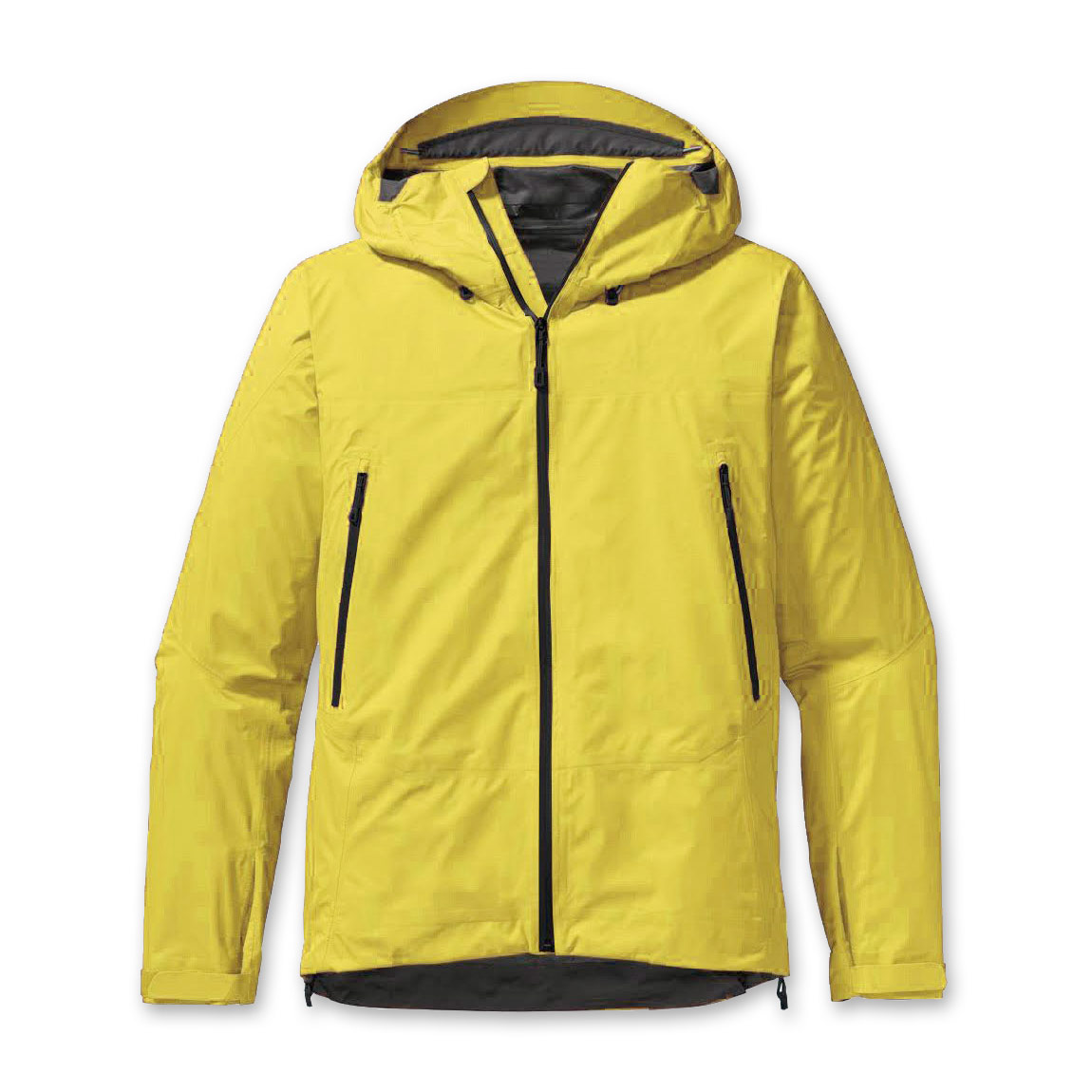
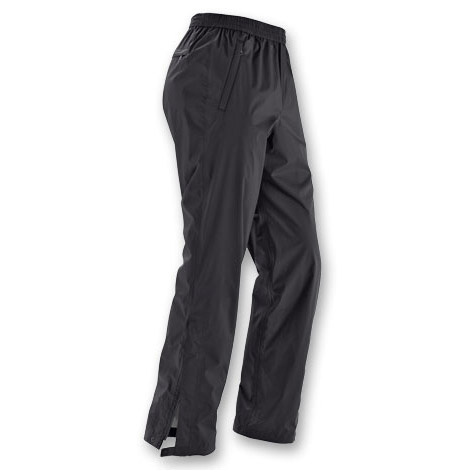
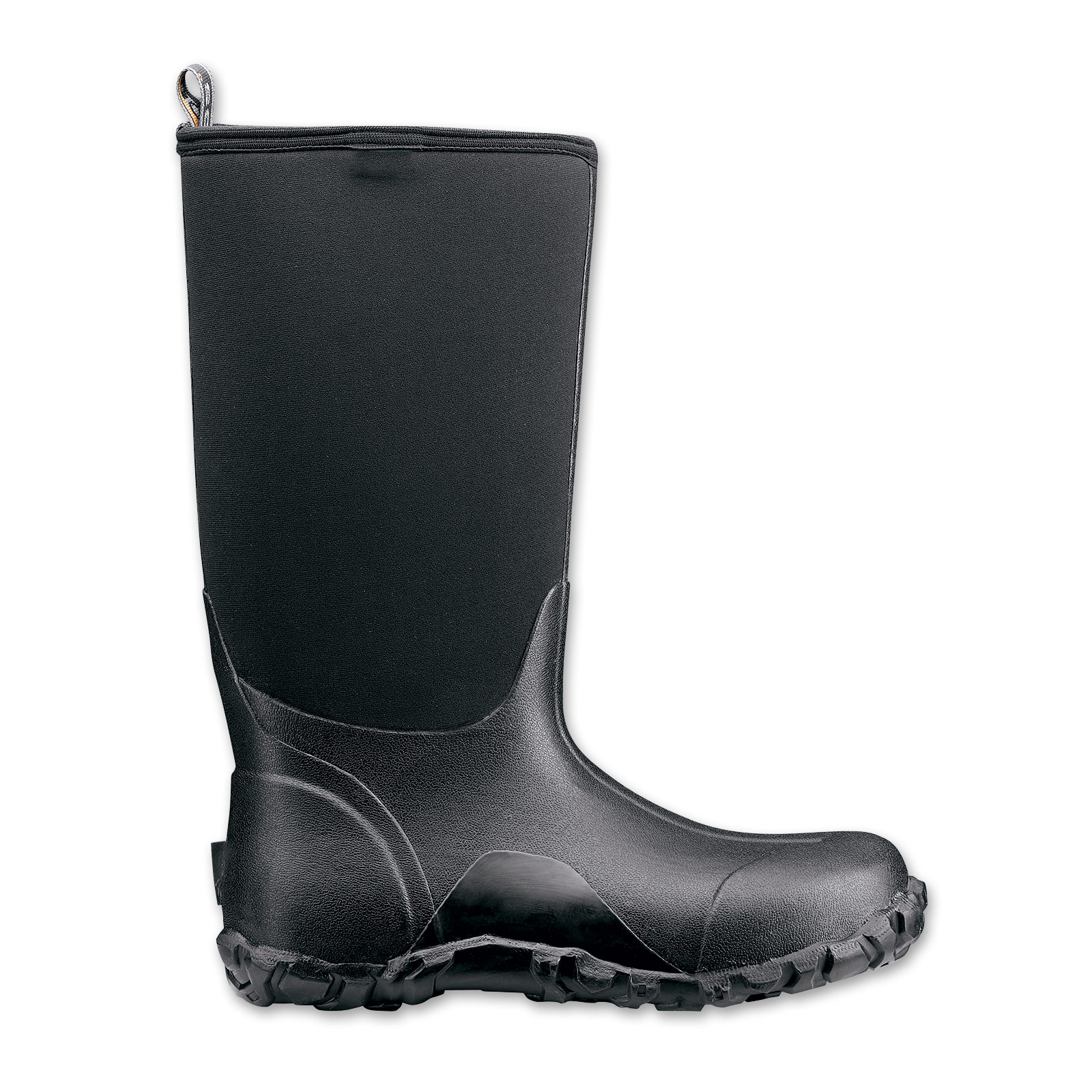
In general terms our recomendation is that you will need a wind and waterproof outer shell layer (this may be provided by the ship, if not you will need to bring yourself), for underlayers we would suggest several thin layers such as polyproplene or merino plus a thicker layer like Polar Fleece or similar. Our experience has also taught us that having a down jacket handy is a great option, they keep you warm on those extra cold outings but are even more useful when there is wildlife outside and you want to quickly head out on the ships deck. In addition to these layers a good set of hats, gloves and warm socks in important. Rubber boots are necessary for the zodiac landings and are usually suitable to wear for local explorations ashore as well, in many cases these will also be available aboard ship but if not you will need to either rent or purcahse a pair of these.
If you have any questions about appropriate clothing the Antarctic Expeditions staff are available to assist as well, it is important to get your clothing right because afterall there is nothing worse than not enjoying a landing because you are cold!
What if I get Seasick
The Southern Ocean and the Drake Passage in particular have a reputation for being turbulent with good reason, compared to most oceans the prevailing conditions are rougher than most. Having said that it is by no means a given that you will expereince stormy conditions when sailing to Antarctica, you should however be prepared that you may experience some motion on the ocean!
If seasickness is a concern it does not mean that you shouldn't go but it does mean that you should potentially give greater consideration to the ship that you travel on and the comfort of the ride that each ship offers. Not all ships are created equal in terms of their ocean going comforts, many of the more modern vessels are equipped with external fin stabilisers which considerably reduce that amount of motion experienced. These are only able to be deployed in the open ocean but that is where you will encounter the large swells, the fins project from the side of the ship and reduce the side to side rolling.
Consideration should also be given to being prepared with the best medication, not all seasickness medication works equally well for all people. If there is something that you know works, then stick with the tried and true, if you are unsure we suggest bringing a couple of types. If taking medication then start taking that medication when you board the ship in Ushuaia to allow it to start working before encountering the Southern Ocean!
If you want to avoid the ocean crossing completely we have a range of Fly & Cruise programs that allow you to fly from Punta Arenas directly to King George Island in the South Shetland Islands.