
Prices on this page are indicative rates
Final price may change due to currency fluctuations. Choose to pay in NZD, AUD, GBP, USD or EUROs. Contact us today and secure your small ship cruise.
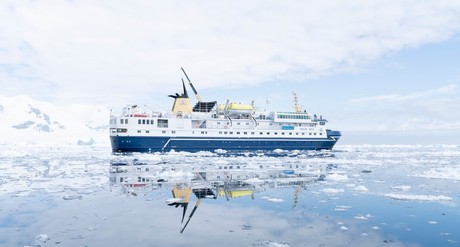
Even today after many decades of exploration, Antarctica remains a world apart, a majestic last frontier surpassing even the most jaded of travellers’ expectations. For this magnificent voyage we are working with our long time Swedish associates at PolarQuest who have chartered the 84-passenger Ocean Nova, and we will follow in the footsteps of researchers, pioneers, adventurers and discoverers on an expedition to the sixth continent. It is hard to put into words the sheer grandeur of an Antarctic landscape. This most southern of continents, this desert of ice, is so unique and uncommon to man’s experience, that even the most dramatic of photographs pale into insignificance when one is confronted by the sheer magnitude, beauty and wonder of an Antarctic landscape.
During this voyage which is timed for the Antarctic spring, there will be the possibility of sighting seven different species of penguin. The spring is mating season for penguins and other species, and you can witness their spectacular displays of courtship ritual, nest building and such antics as stone stealing. This is also the time the pack ice begins to melt resulting in dramatic icebergs and, when in the Falklands and South Georgia, the spring flowers will be in bloom.
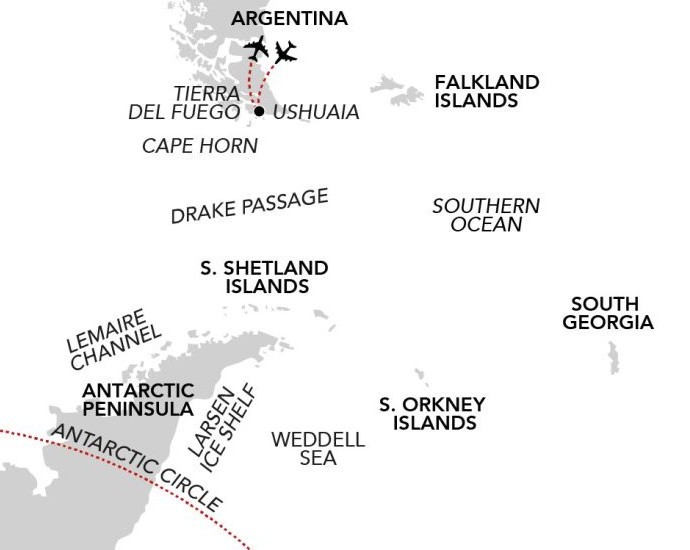
We sail from Ushuaia in Argentina to the Falkland Islands, a truly enchanting place with a unique character and staggering wildlife. This is the last sanctuary of the elegant albatross which soars gracefully against the blue sky, with colonies of elephant seals basking at the foot of vertiginous cliffs. Our next stop is the remote island of South Georgia, a wildlife haven reputed to have more wildlife per square metre than any other place on the planet. Watching the huge elephant seals fight for their harems and being greeted by hundreds of thousands of breeding king penguins are truly unbelievable experiences. We then continue to the most remote and isolated continent, Antarctica, where we explore dramatic landscapes with gigantic icebergs, scenic channels and bustling penguin colonies.
In between our landings and while at sea, you can pass the time on deck looking for wildlife, attend the series of lectures by members of the expedition team, including the award-winning polar photographer and wildlife cameraman, Doug Allan, and simply relax on board.
-
Day 1 London to Buenos Aires, Argentina.
Fly by scheduled indirect flight.
-
Day 2 Buenos Aires.
Arrive and transfer to our hotel for an overnight stay. The remainder of the day is at leisure.
-
Day 3 Buenos Aires to Ushuaia.
After breakfast we check out and transfer to the airport for our scheduled flight to Ushuaia. On arrival we transfer to a hotel for an overnight stay and meet our fellow travellers.
-
Day 4 Ushuaia.
This morning is free to explore Ushuaia at your own pace. In the afternoon, we embark the Ocean Nova and cruise out through the Beagle Channel. If we are lucky, we might see Magellanic penguins as we sail.
-
Day 5 At Sea.
We spend a day at sea, accompanied by seabirds such as petrels, fulmars and albatrosses that gracefully follow our ship. Whales and dolphins may also be seen in the surrounding waters, and the polar experts will begin their exciting lecture programme.
-
Day 6 West Falklands.
The plan for today is to explore the western islands of the archipelago, which are isolated and windswept but home to many seabirds including the black-browed albatross. Weather permitting, we will go ashore and explore Saunders Island, a penguin hotspot that is one of the few places on earth where four penguin species nest side by side. Here we can find gentoo, rockhopper, king and Magellanic penguin rookeries as well as nesting black-browed albatross. You can stand on the white sand beach watching the penguins come and go while the striated caracaras patrol overhead.
-
Day 7 Stanley, East Falklands.
Today we visit Stanley, the capital of the Falkland Islands. Here, we wander through charming streets lined with small houses and learn how this quiet harbour was once a major port in the 19th century for ships attempting to round the waters of Cape Horn.
-
Days 8 & 9 At Sea.
We sail southeast, bound for South Georgia. The anticipation grows, especially as we cross the Antarctic Convergence and notice a dramatic drop in temperature. Shipboard presentations will continue, featuring the fascinating history and abundant wildlife of South Georgia. Wildlife will guide us to the island – keep a lookout in the ocean for whales, seals, and penguins.
-
Days 10 to 13 South Georgia.
Majestic mountains, mighty glaciers, and beaches full of king penguins greet us on the island of South Georgia. We arrive in spring, when there are few ships in the vicinity, and the peaks of the dramatic mountain ranges are still snow-covered. For wildlife enthusiasts, South Georgia is a true haven. Hundreds of thousands of penguins gather at places like St Andrew’s Bay and Salisbury Plain. Huge elephant seals lounge on beaches, and at this time of year, we may witness dramatic fights for dominance among the males. The island is also home to several other penguin species, including macaroni, gentoo, and chinstrap penguins, along with the playful and feisty fur seals. South Georgia played a significant role in Shackleton’s legendary expedition. After his ship Endurance sank, he and his crew crossed the treacherous ocean in an open lifeboat to reach the island. We hope to visit Shackleton’s grave at Grytviken, once an active whaling station, now home to a charming museum.
-
Days 14 to 16 At Sea.
We now set sail towards the world’s most remote continent – Antarctica, faithfully accompanied by many seabirds. The onboard polar experts will continue to fill our minds with heroic stories of the early daredevils who explored Antarctica. We also keep our eyes open for the first iceberg, which could appear on the horizon at any time.
-
Days 17 to 20 The South Shetland Islands & the Antarctic Peninsula.
This is a true Antarctic expedition cruise, and our exact route over the following days is subject to weather and ice conditions. We hope to go ashore at Elephant Island, where we will learn more about the famous Antarctic adventures of Sir Ernest Shackleton. In 1916, Shackleton and his crew sought refuge on this island after their ship was crushed by pack ice in the Weddell Sea. Following the loss of their ship, they reached Elephant Island after a harrowing ordeal on drifting ice floes. They established a camp at a location they named Point Wild, after Shackleton’s commander, Frank Wild. Today, this area is home to nesting chinstrap penguins. We will spend some time cruising among the South Shetland Islands, just off the Antarctic Peninsula. Dazzling wildlife sightings await us on our excursions to some of the islands, including King George, Half Moon, Barrientos, or Livingston. Adelie, chinstrap, and gentoo penguins thrive here, along with several species of seals. Hopefully, we will also have the chance to visit the flooded volcanic caldera of Deception Island. Along the coastline of the South Shetlands, we keep our eyes open for humpback whales foraging for krill. Continuing south along the Antarctic Peninsula, we navigate through vast expanses of pack ice covering large parts of the bays, watching as our experienced officers skilfully steer our ice-strengthened ship. We cruise through labyrinths of icebergs, some of which may be occupied by curious penguins. In good ice conditions, we hope to set foot on the Antarctic continent at Hope Bay or Paradise Harbour. The scenery here, from the colossal icebergs to the seemingly endless Antarctic ice sheet is truly breathtaking.
-
Days 21 & 22 Drake Passage.
As we leave this magical place and head across the Drake Passage, you can spend time reflecting on the incredible experiences of the past days. On our approach to the South American continent, it is possible to see whales, dolphins, and seals. Celebrate the conclusion of your Antarctic expedition with a farewell dinner on board.
-
Day 23 Ushuaia to Buenos Aires.
Disembark this morning and transfer to the airport for our scheduled flight to Buenos Aires. On arrival transfer to our hotel and have the remainder of the day and evening at leisure.
-
Day 24 Buenos Aires to London.
After breakfast we check out and transfer to the airport for our scheduled indirect flight to London.
-
Day 25 London.
Arrive today.
-
Please note:
Itineraries are subject to change.
-
26 October, 2026 to 19 November, 2026
Triple cabin
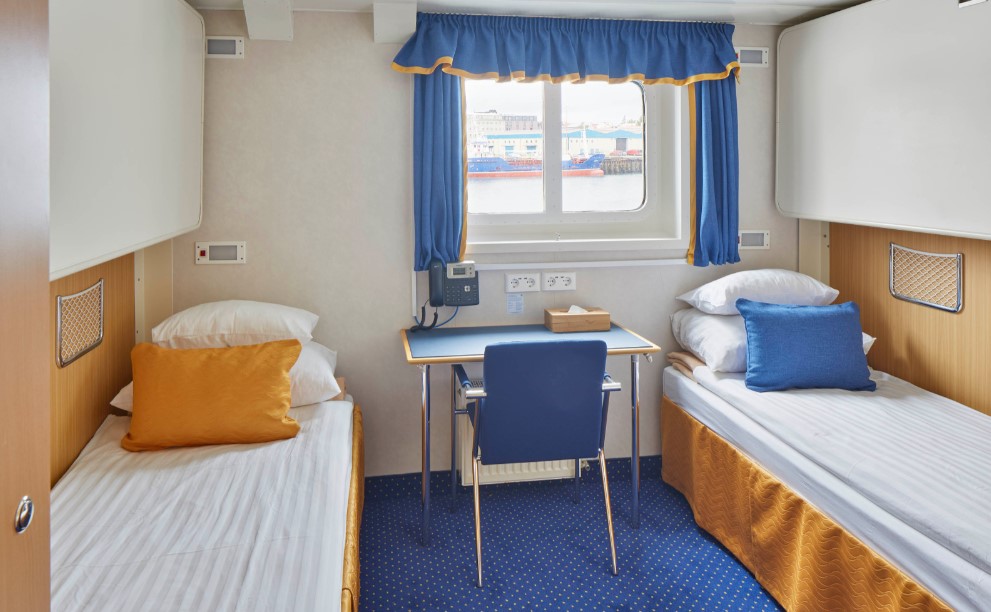
Book now 150 ft2 – 14 m2 - Bathroom, window, desk and chair, 2 lower twin beds and 1 upper bed.
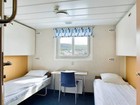 106 ft2 – 10 m2 - Bathroom, window, desk and chair, and 2 lower twin beds.
 87 ft2 – 8 m2 - Bathroom, window, desk and chair, single lower bed.
-
Ocean Nova
Ocean Nova
Vessel Type: Expedition
Length: 73 metres
Passenger Capacity: 86
Built / Refurbished: 1992 / 2006
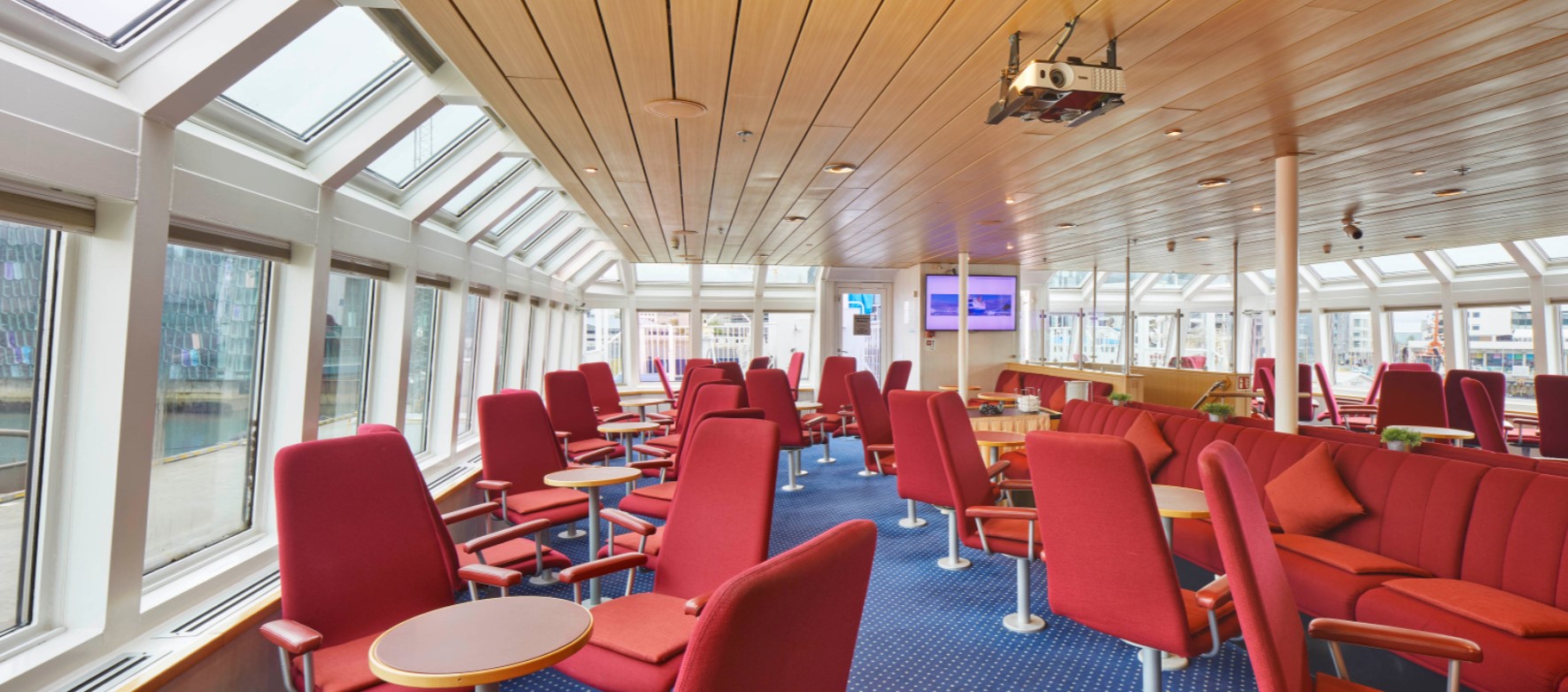
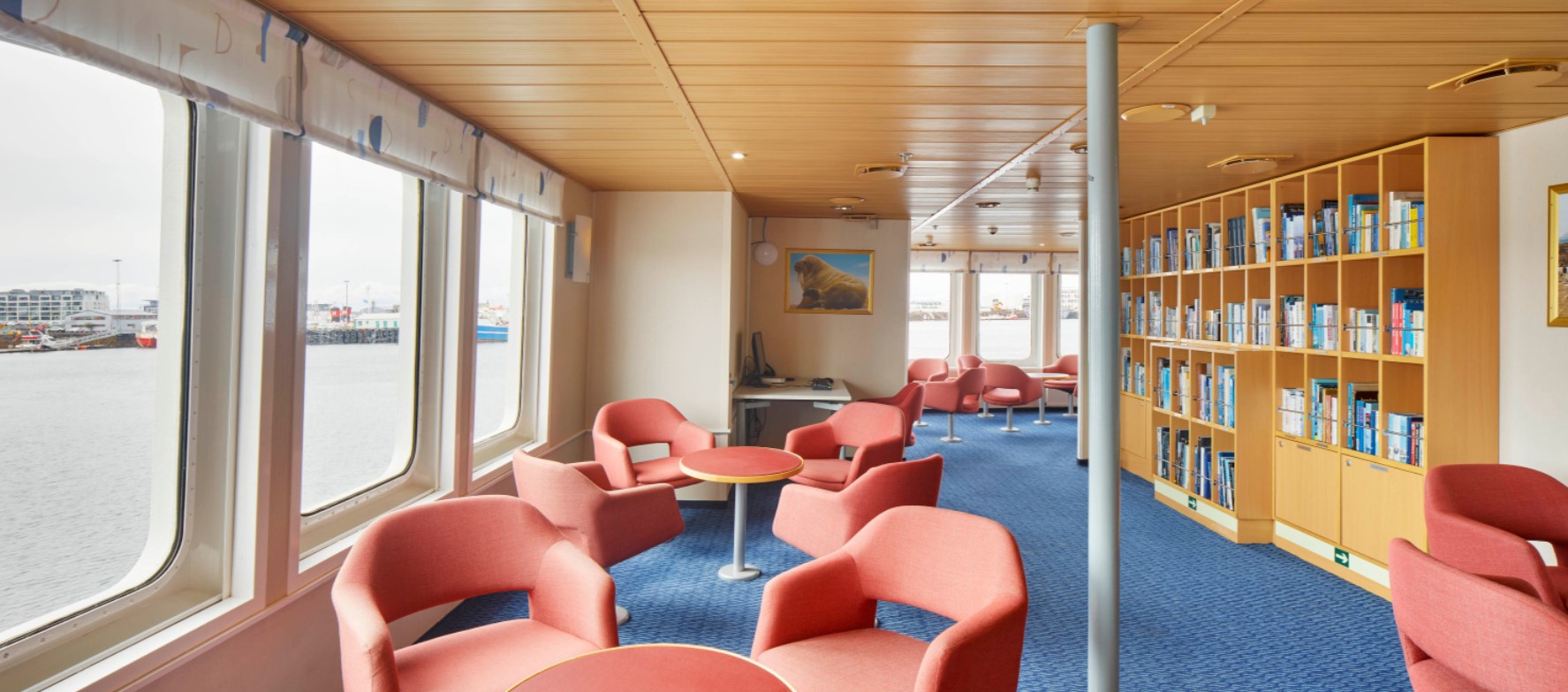
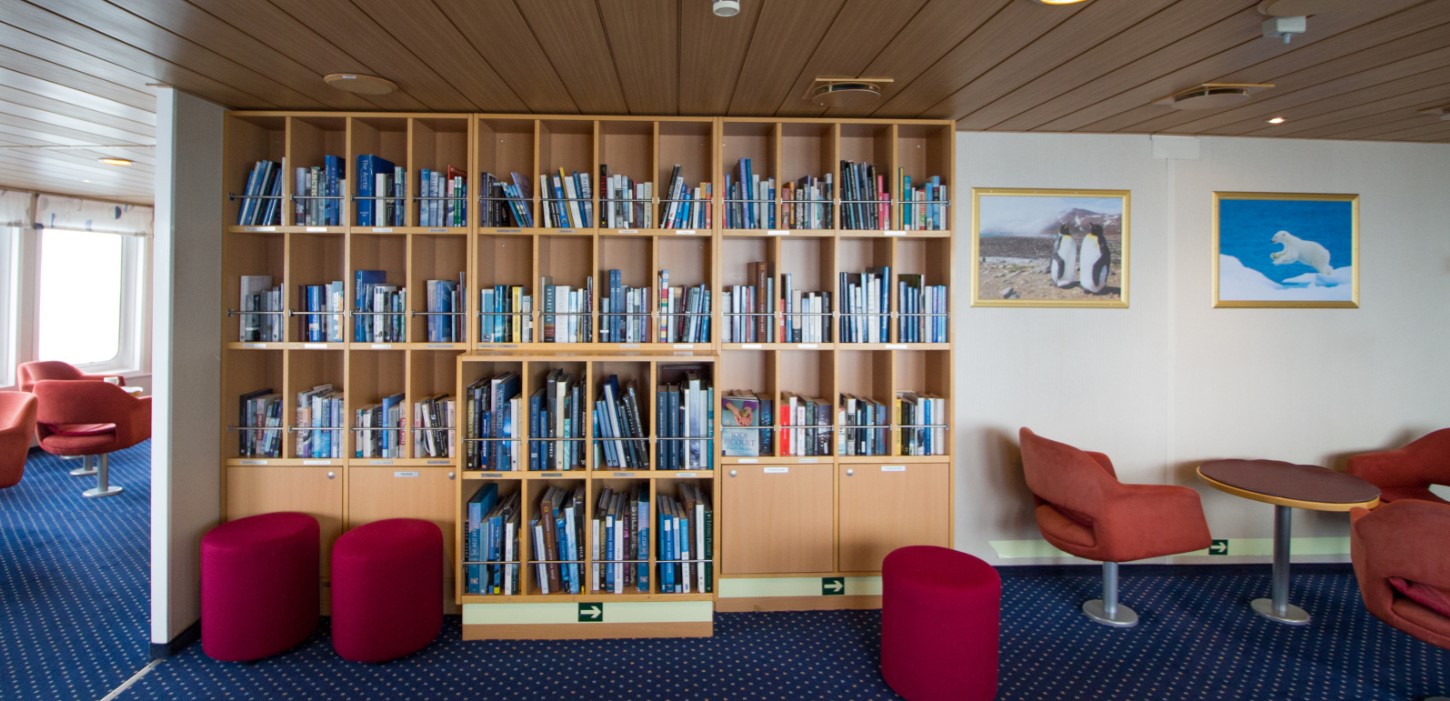
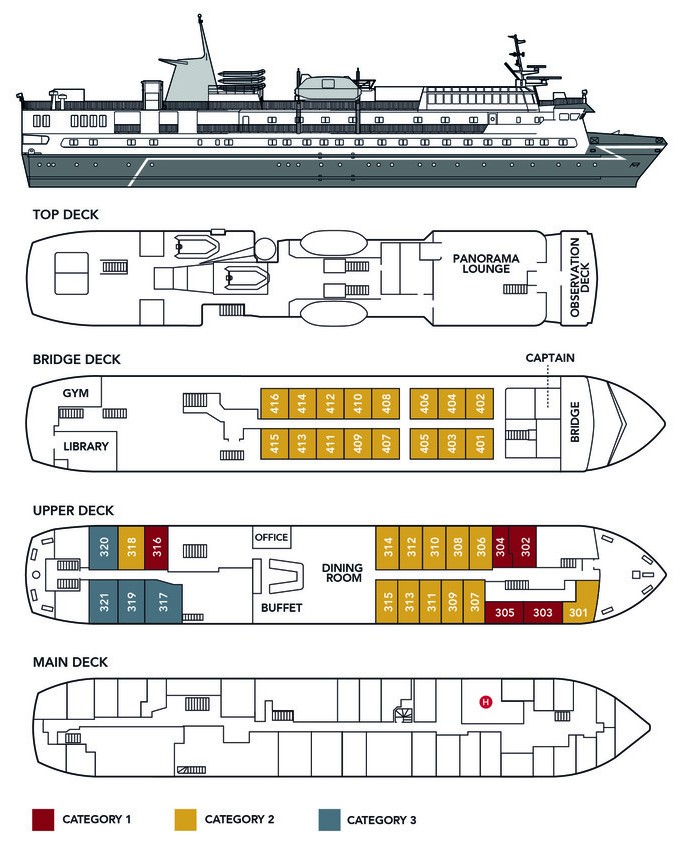
The Ocean Nova, built in Denmark in 1992 and fully refurbished in 2006, is a small yet comfortable expedition vessel accommodating up to 84 passengers. Cabins are spread across two decks and include single, double, and triple accommodations, all with sea views and private facilities. Designed with Scandinavian light woods, the cabins feature ample storage, desks, and flexible bedding arrangements, ensuring a practical and cosy retreat after a day of exploration. Passengers can relax in the Panorama Lounge, which offers panoramic views, daily briefings from the expedition team, and lectures on subjects ranging from ornithology to geology, while the library, small gym, and medical facilities enhance onboard comfort.
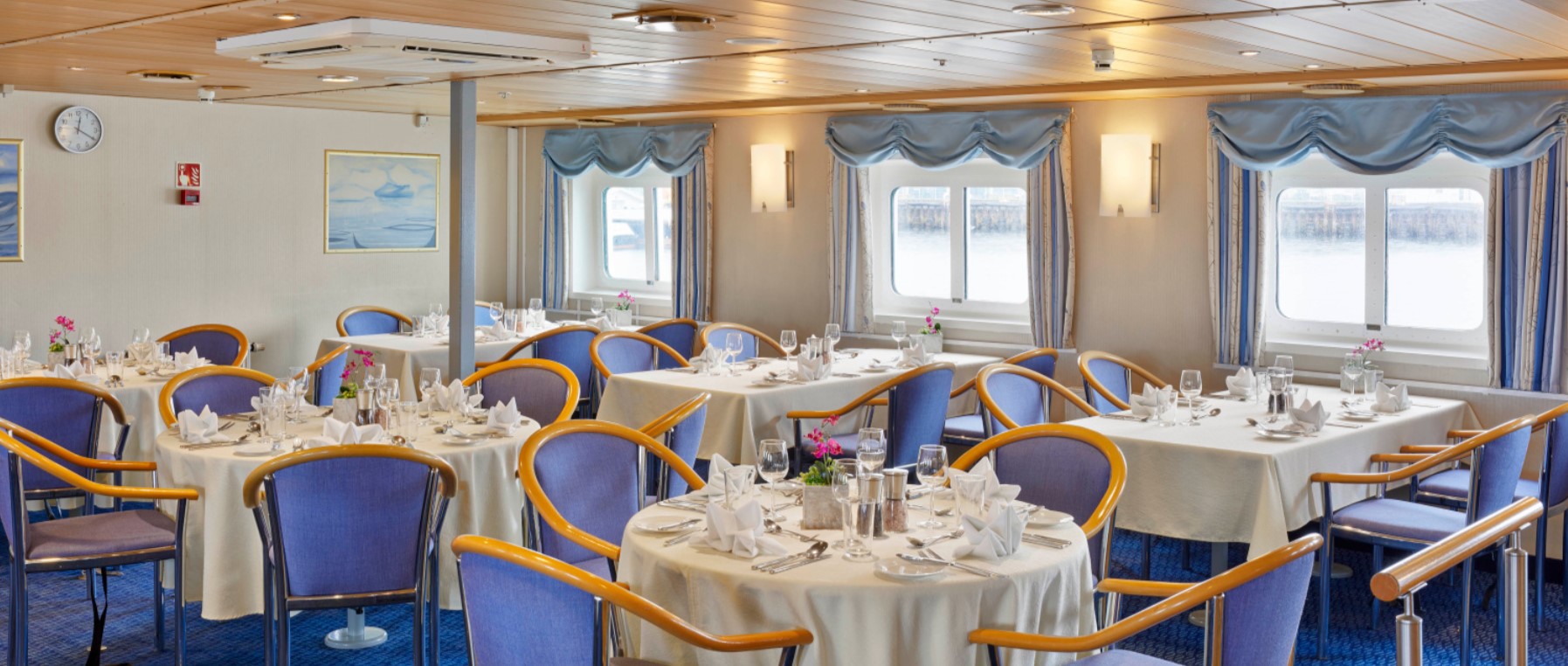
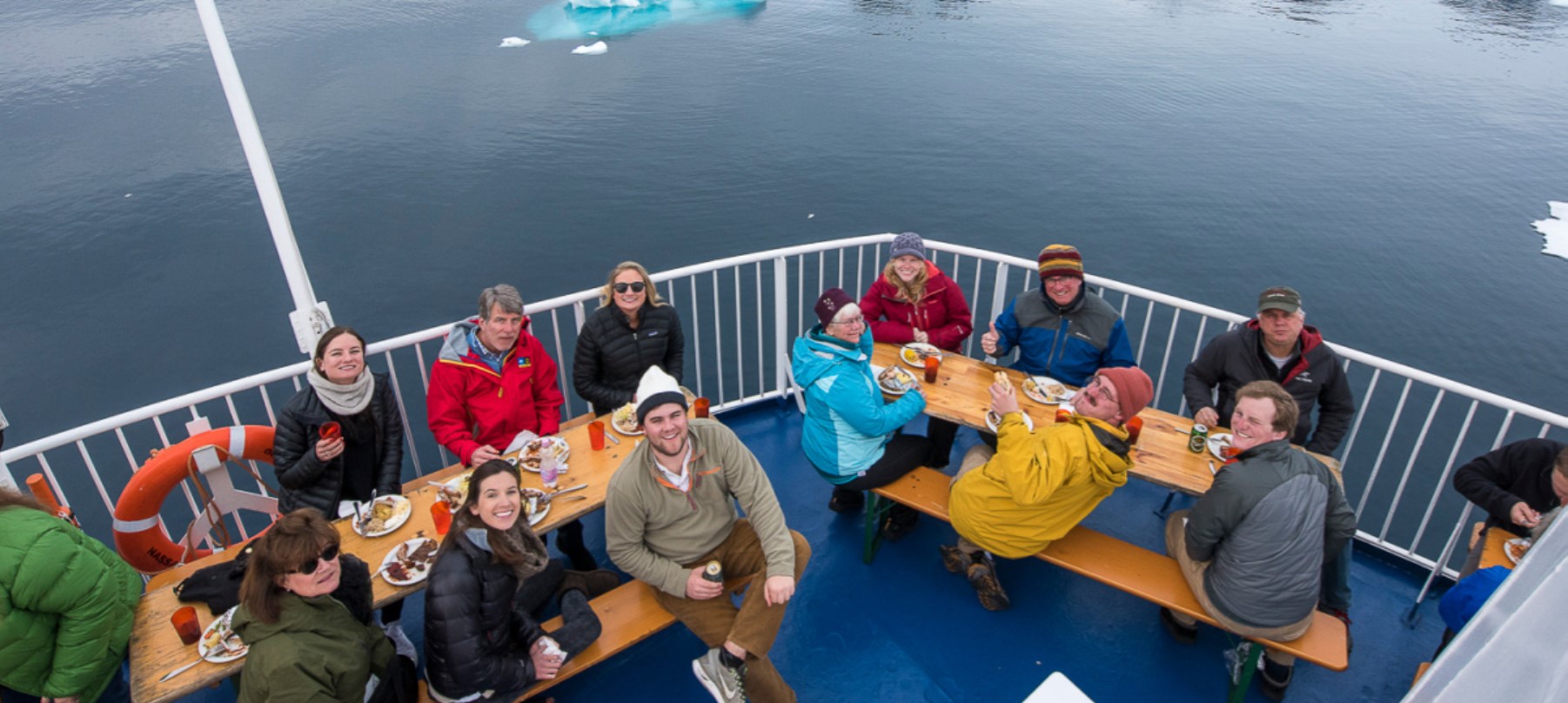
Dining aboard the Ocean Nova is informal yet enjoyable, with a single-sitting dining room offering a combination of table service and buffet, allowing all guests to dine together while taking in views through the portholes. Life on board is relaxed and immersive, often spent on deck watching for wildlife or simply admiring the surrounding landscapes. With one of the highest ice classes (1B) and a powerful 2000 hp diesel engine, the Ocean Nova is equipped to navigate icy waters or tranquil lochs with ease. A crew of 34, including North European officers, ensures both passenger safety and an enriching expedition experience, complemented by fully enclosed lifeboats and an onboard medical clinic.

Highlights
• Komodo dragons, Kelimutu’s coloured lakes and remote Nusa Tenggara islands• Spice Islands history with Ambon, Banda Neira, Tidore and Ternate
• World-class wildlife and snorkelling in Sulawesi and Bunaken National Park