Prices on this page are indicative rates
Final price may change due to currency fluctuations. Choose to pay in NZD, AUD, GBP, USD or EUROs. Contact us today and secure your small ship cruise.
This Polar Circle and Antarctic Peninsula cruise passes through waters travelled by Humpback, Minke and Fin whales. Anchoring in various spots around the region, the expedition offers the chance to hike and dive in the iceberg-heavy waters.
Highlights
• Polar Diving. Visiting the polar regions is a fantastic adventure, but just below the waves waits an extraordinary other world for you to experience and explore.
• Zodiac Cruising & Shore Program. By Zodiac you will explore the polar world, getting up close to icebergs, glaciers, and iconic wildlife
• Shore-Based Walking. Explore the last true wilderness of our planet on foot, and absorb the beauty of the polar regions at your own pace
• Bird Watching. Enjoy birding together with fellow birders and visit remote places with rare bird-species.
• Deception Island. A volcanic island in the South Shetlands, north of the Antarctic Peninsula
• Cuverville Island. Home to thousands of gentoo penguins, this island lies just off the Antarctic mainland
-
Day 1: End of the world, start of a journey
Your voyage begins where the world drops off. Ushuaia, Argentina, reputed to be the southernmost city on the planet, is located on the far southern tip of South America. Starting in the afternoon, you embark from this small resort town on Tierra del Fuego, nicknamed “The End of the World,” and sail the mountain-fringed Beagle Channel for the remainder of the evening.
-
Day 2 - 3: Path of the polar explorers
Over the next two days on the Drake Passage, you enjoy some of the same experiences encountered by the great polar explorers who first charted these regions: cool salt breezes, rolling seas, maybe even a fin whale spouting up sea spray. After passing the Antarctic Convergence – Antarctica’s natural boundary, formed when north-flowing cold waters collide with warmer sub-Antarctic seas – you are in the circum-Antarctic upwelling zone. Not only does the marine life change, the avian life changes too. Wandering albatrosses, grey-headed albatrosses, black-browed albatrosses, light-mantled sooty albatrosses, cape pigeons, southern fulmars, Wilson’s storm petrels, blue petrels, and Antarctic petrels are a few of the birds you might see.
-
Day 4 - 10: Sights of late summer Antarctica
Options for Antarctic Peninsula activities are many, and no less great during the late summer. Humpback whales are prolific in this region, gorging themselves on krill before their migration north. The penguin chicks are also fledging, stirring up activity on the beaches while sleek leopard seals lie in wait, poised to attack the less fortunate ones.
Sites for your Antarctic adventures may include:
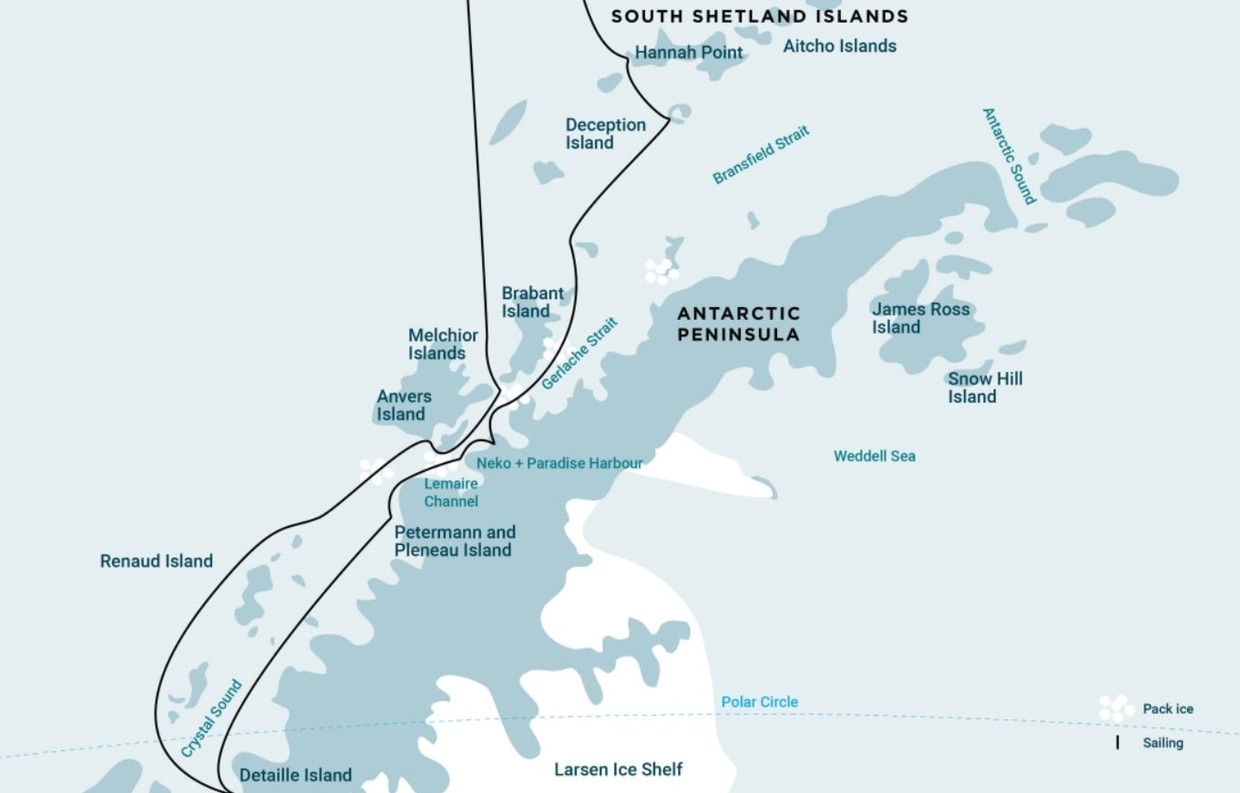
Livingston Island – Here you find a wide variety of gentoo and chinstrap penguins on Hannah Point, as well as southern giant petrels and elephant seals hauling out onto the beach.
Deception Island – Actually a subducted crater, this island opens into the sea and creates a natural harbor for the ship. An abandoned whaling station, and multiple bird species – cape petrels, kelp gulls, brown and south polar skuas, and Antarctic terns – can be seen here. Wilson’s storm petrels and black-bellied storm petrels also nest in the ruins of the whaling station in Whalers Bay.
Cuverville Island – A small precipitous island nestled between the mountains of the Antarctic Peninsula and Rongé Island, Cuverville houses a large colony of gentoo penguins and breeding pairs of brown skuas.
Neko Harbour – An epic landscape of mammoth glaciers and endless wind-carved snow, Neko Harbour offers opportunities for a Zodiac cruise and landing that afford the closest views of the surrounding alpine peaks. You might also be able to set foot on the continent here.
Paradise Bay – You could take a Zodiac cruise in these sprawling, ice-flecked waters, where you have a good chance of seeing humpback and minke whales.
Pléneau & Petermann Islands – If the ice allows it, you may sail through the Lemaire Channel in search of Adélie penguins and blue-eyed shags. There’s also a good chance you’ll encounter humpback and minke whales as well as leopard seals.
Crystal Sound – Your journey takes you south along the Argentine Islands to this ice-packed body of water, and from here across the Polar Circle in the morning.
Detaille Island – You may make a landing at an abandoned British research station here, taking in the island’s lofty mountains and imposing glaciers.
Fish Islands – Further north you encounter one of the southernmost Adélie penguin and blue-eyed shag colonies in the Antarctic Peninsula.
Melchior Islands – These islands offer a beautiful landscape rich with icebergs. Leopard seals, crabeater seals, and whales are found here, and there are excellent opportunities for diving.
Conditions on the Drake Passage determine the exact time of departure. -
Day 11 - 12: Familiar seas, familiar friends
Your return voyage is far from lonely. While crossing the Drake, you’re again greeted by the vast array of seabirds remembered from the passage south. But they seem a little more familiar to you now, and you to them.
-
Day 13: There and back again
Every adventure, no matter how grand, must eventually come to an end. It’s now time to disembark in Ushuaia, but with memories that will accompany you wherever your next adventure lies.
-
Please note:
All itineraries are for guidance only. Programs may vary depending on ice, weather, and wildlife conditions. Landings are subject to site availabilities, permissions, and environmental concerns per IAATO regulations. Official sailing plans and landing slots are scheduled with IAATO prior to the start of the season, but the expedition leader determines the final plan. Flexibility is paramount for expedition cruises. The average cruising speed of our vessel is 10.5 knots.
-
08 March, 2028 to 20 March, 2028
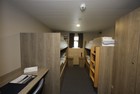 1 porthole
2 upper & lower berths
Private shower & toilet
Desk & chair
Flatscreen TV
Telephone & WiFi (supplemented)
Hair dryer
Ample storage space
This cabin is suitable for families traveling with children, or passengers who do not require a twin or more luxurious cabin
1 porthole
2 upper & lower berths
Private shower & toilet
Desk & chair
Flatscreen TV
Telephone & WiFi (supplemented)
Hair dryer
Ample storage space
This cabin is suitable for families traveling with children, or passengers who do not require a twin or more luxurious cabin
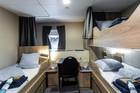 1 porthole
1 upper berth & 2 lower berths
Private shower & toilet
Desk & chair
Flatscreen TV
Telephone & WiFi (supplemented)
Hair dryer
Ample storage space
This cabin is suitable for families traveling with children, or passengers who do not require a twin or more luxurious cabin
1 porthole
1 upper berth & 2 lower berths
Private shower & toilet
Desk & chair
Flatscreen TV
Telephone & WiFi (supplemented)
Hair dryer
Ample storage space
This cabin is suitable for families traveling with children, or passengers who do not require a twin or more luxurious cabin
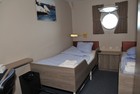 1 porthole
2 lower berths
Private shower & toilet
Desk & chair
Flatscreen TV
Telephone & WiFi (supplemented)
Hair dryer
Ample storage space
1 porthole
2 lower berths
Private shower & toilet
Desk & chair
Flatscreen TV
Telephone & WiFi (supplemented)
Hair dryer
Ample storage space
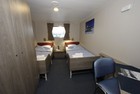 1 window
2 lower berths
Private shower & toilet
Desk & chair
Flatscreen TV
Telephone & WiFi (supplemented)
Hair dryer
Ample storage space
1 window
2 lower berths
Private shower & toilet
Desk & chair
Flatscreen TV
Telephone & WiFi (supplemented)
Hair dryer
Ample storage space
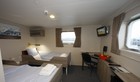 2 windows
2 lower berths
Private shower & toilet
Desk & chair
Flatscreen TV
Telephone & WiFi (supplemented)
Hair dryer
Ample storage space
These cabins are corner cabins and are slightly more spacious than the normal twin porthole/window cabins
2 windows
2 lower berths
Private shower & toilet
Desk & chair
Flatscreen TV
Telephone & WiFi (supplemented)
Hair dryer
Ample storage space
These cabins are corner cabins and are slightly more spacious than the normal twin porthole/window cabins
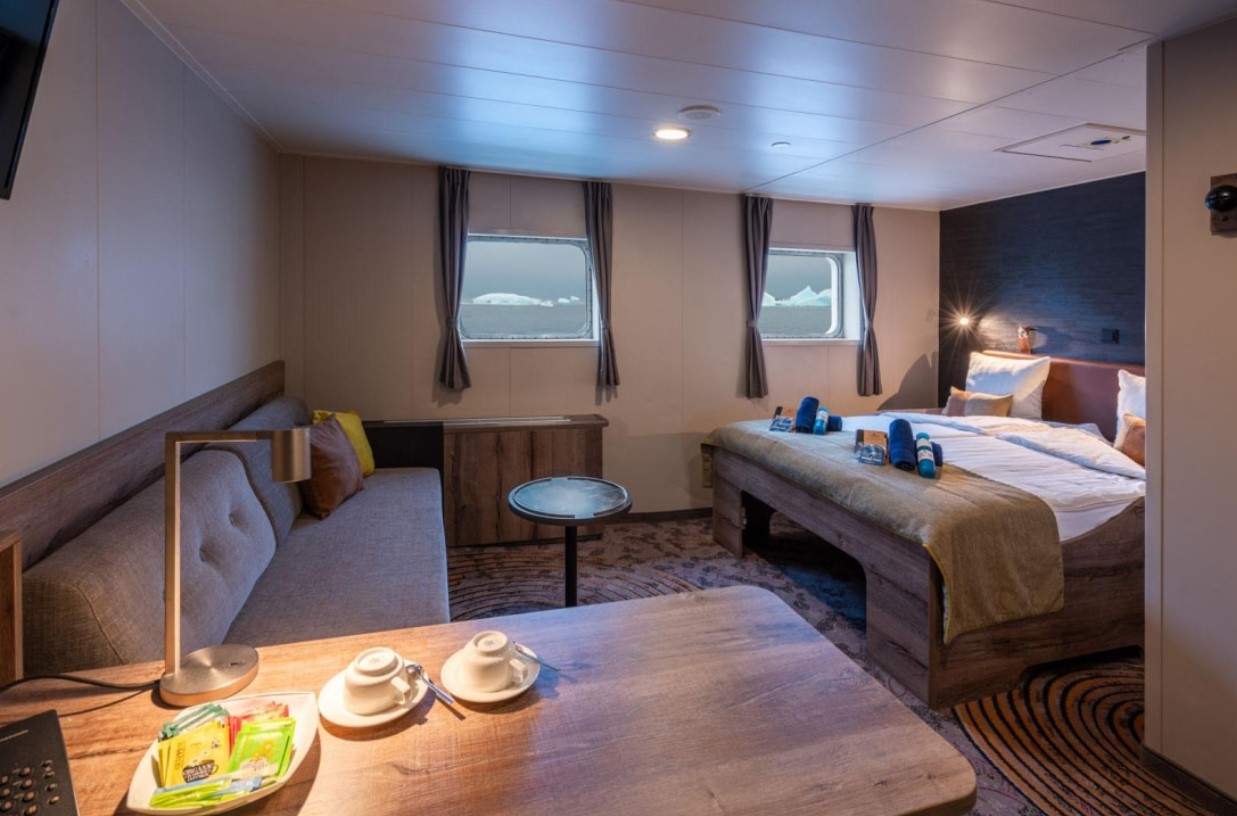
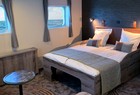 2 windows
1 double bed
1 sofa bed
Private shower & toilet
Desk & chair
Flatscreen TV
Telephone & WiFi (supplemented)
Refrigerator
Coffee & tea maker
Hair dryer
Ample storage space
2 windows
1 double bed
1 sofa bed
Private shower & toilet
Desk & chair
Flatscreen TV
Telephone & WiFi (supplemented)
Refrigerator
Coffee & tea maker
Hair dryer
Ample storage space
-
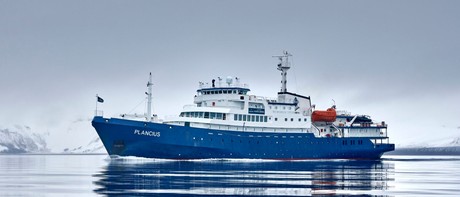
Plancius
Plancius
Vessel Type: Expedition
Length: 89 metres
Passenger Capacity: 108 - 116
Built / refurbished: 1976 / 2009
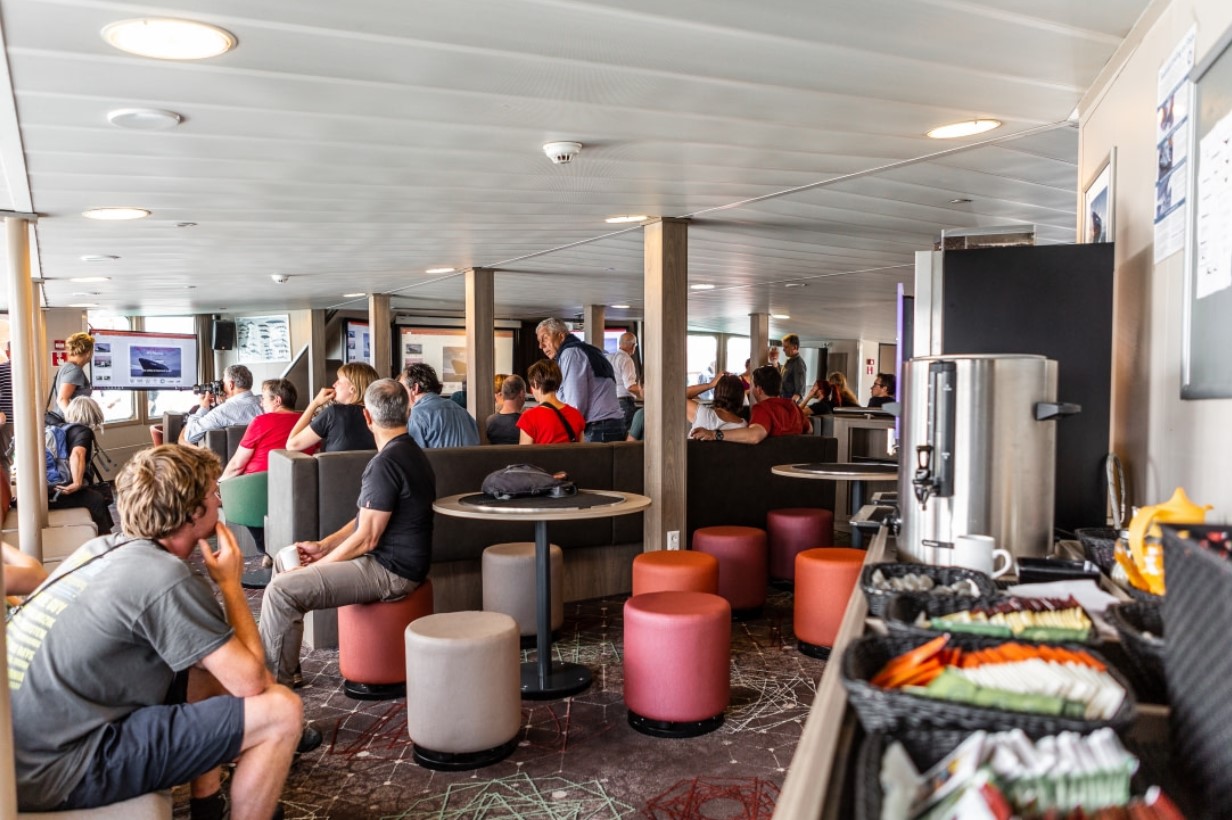
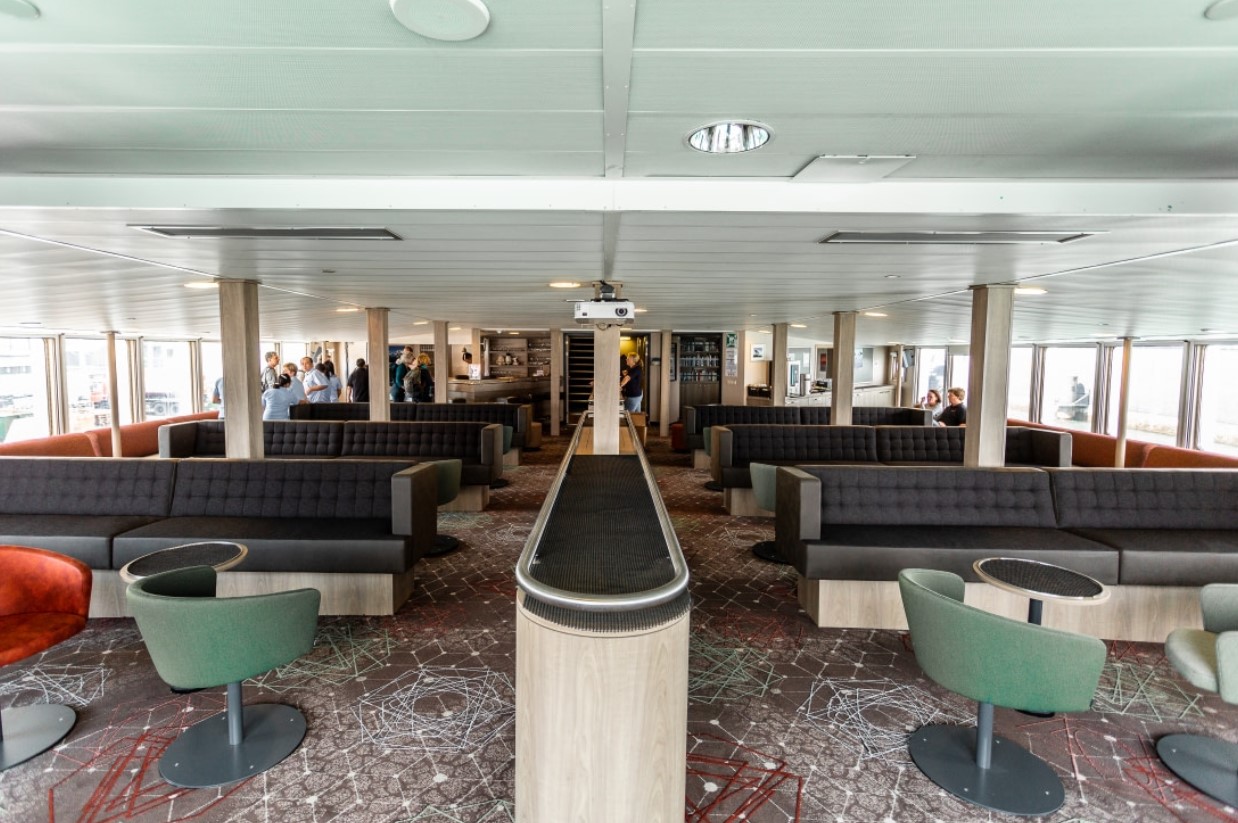
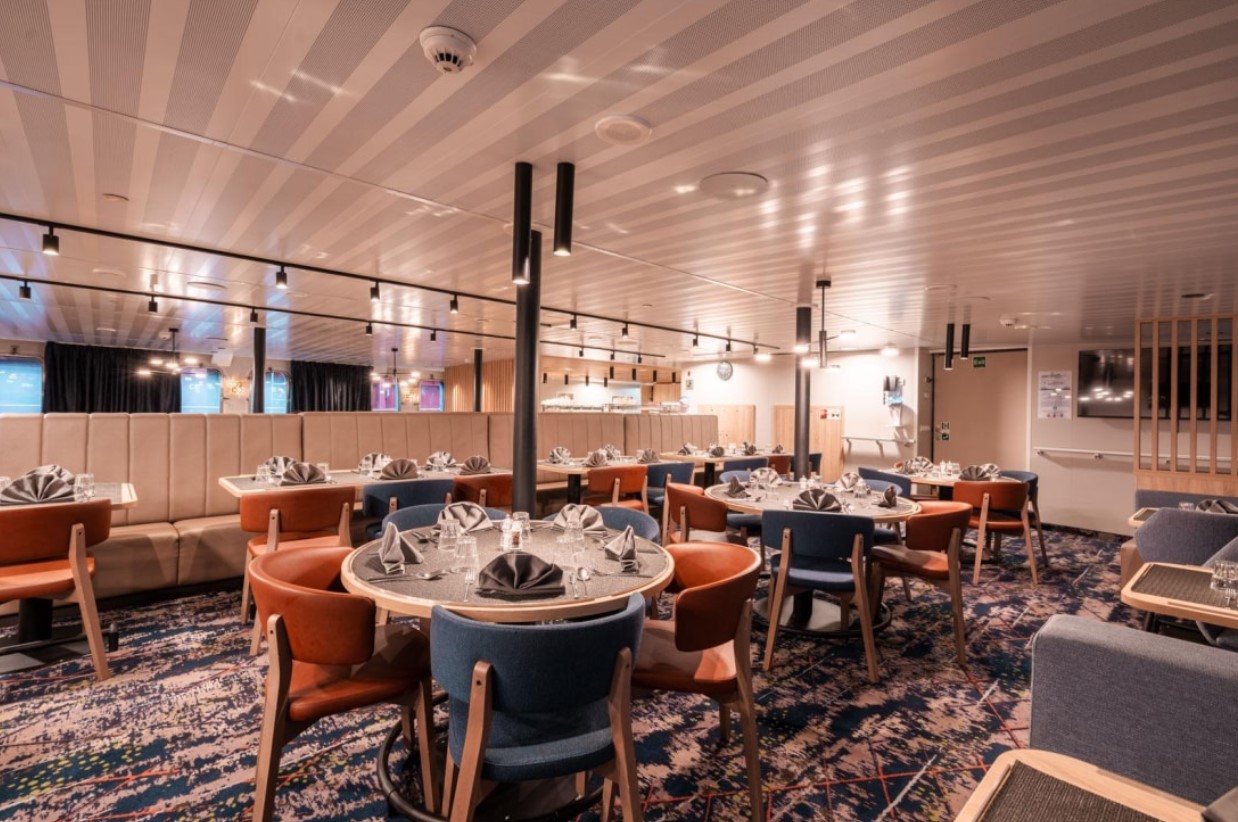
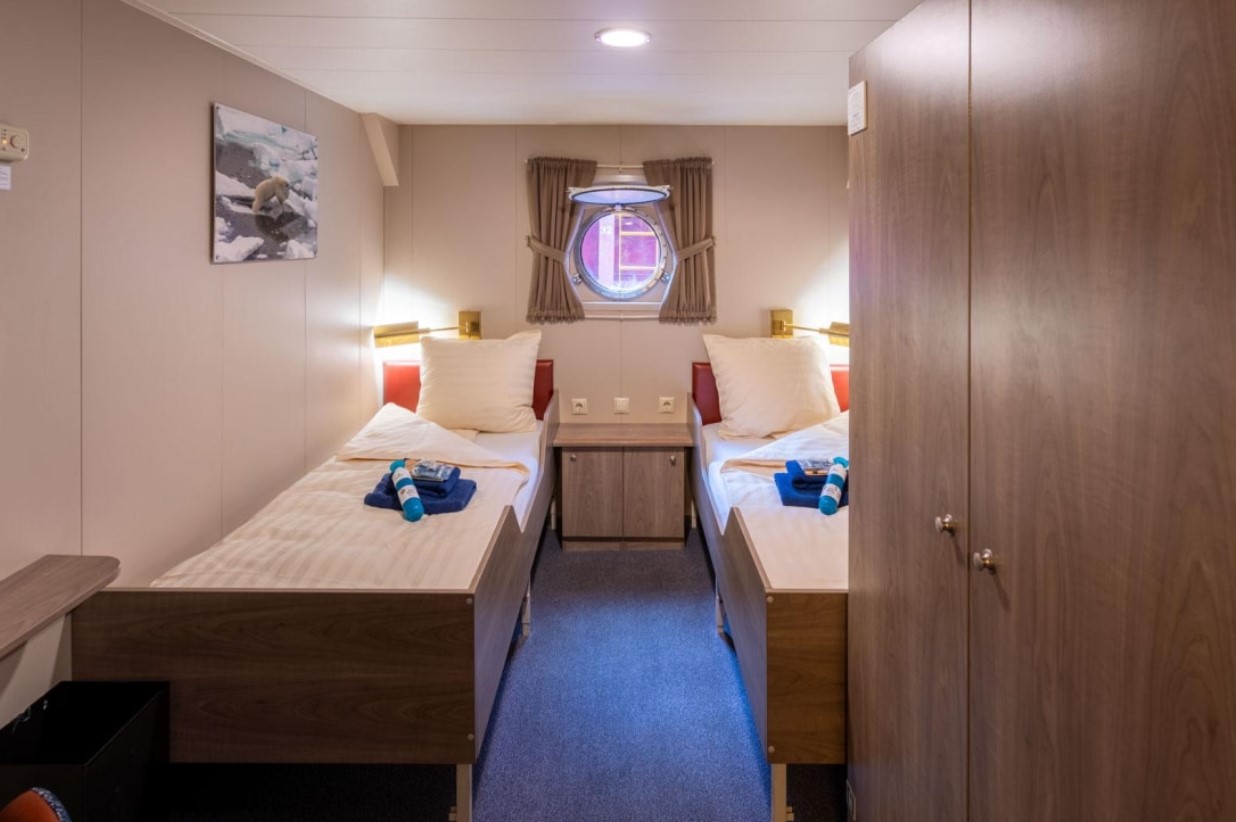
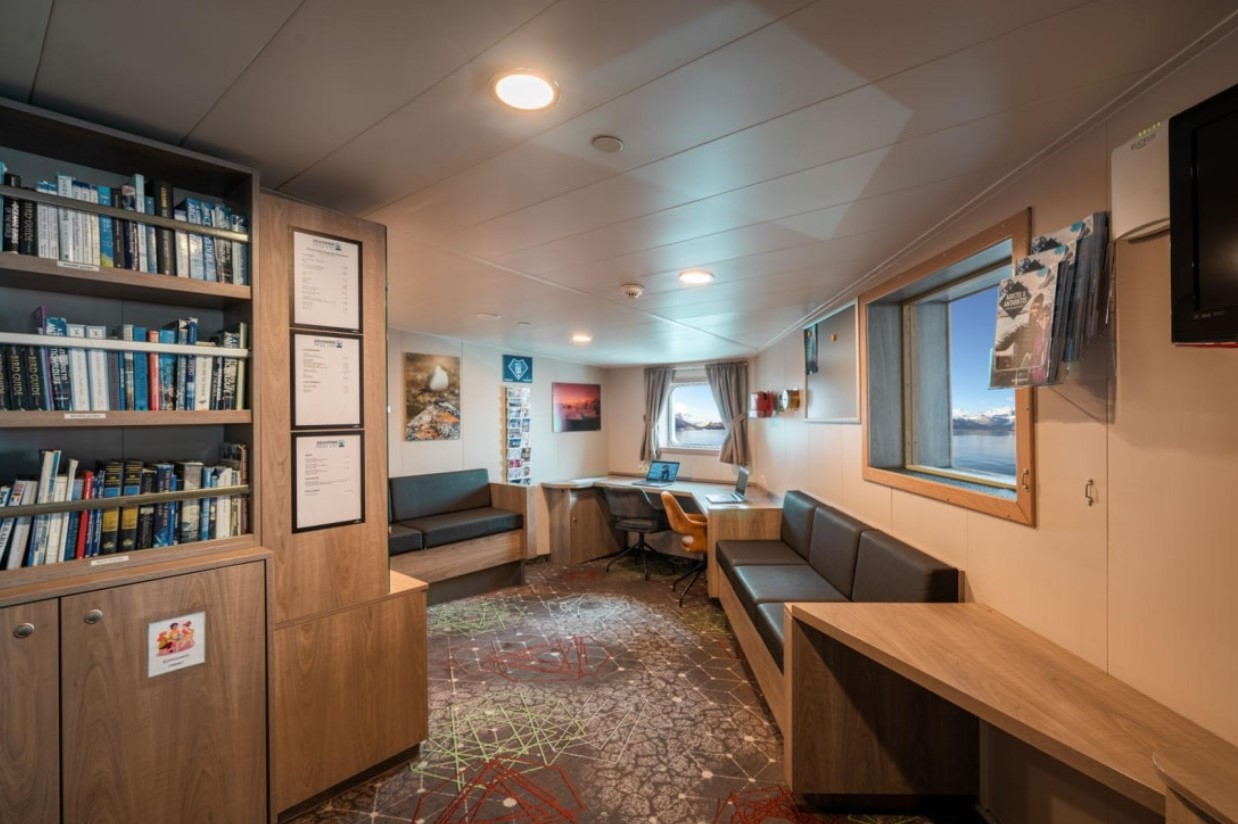
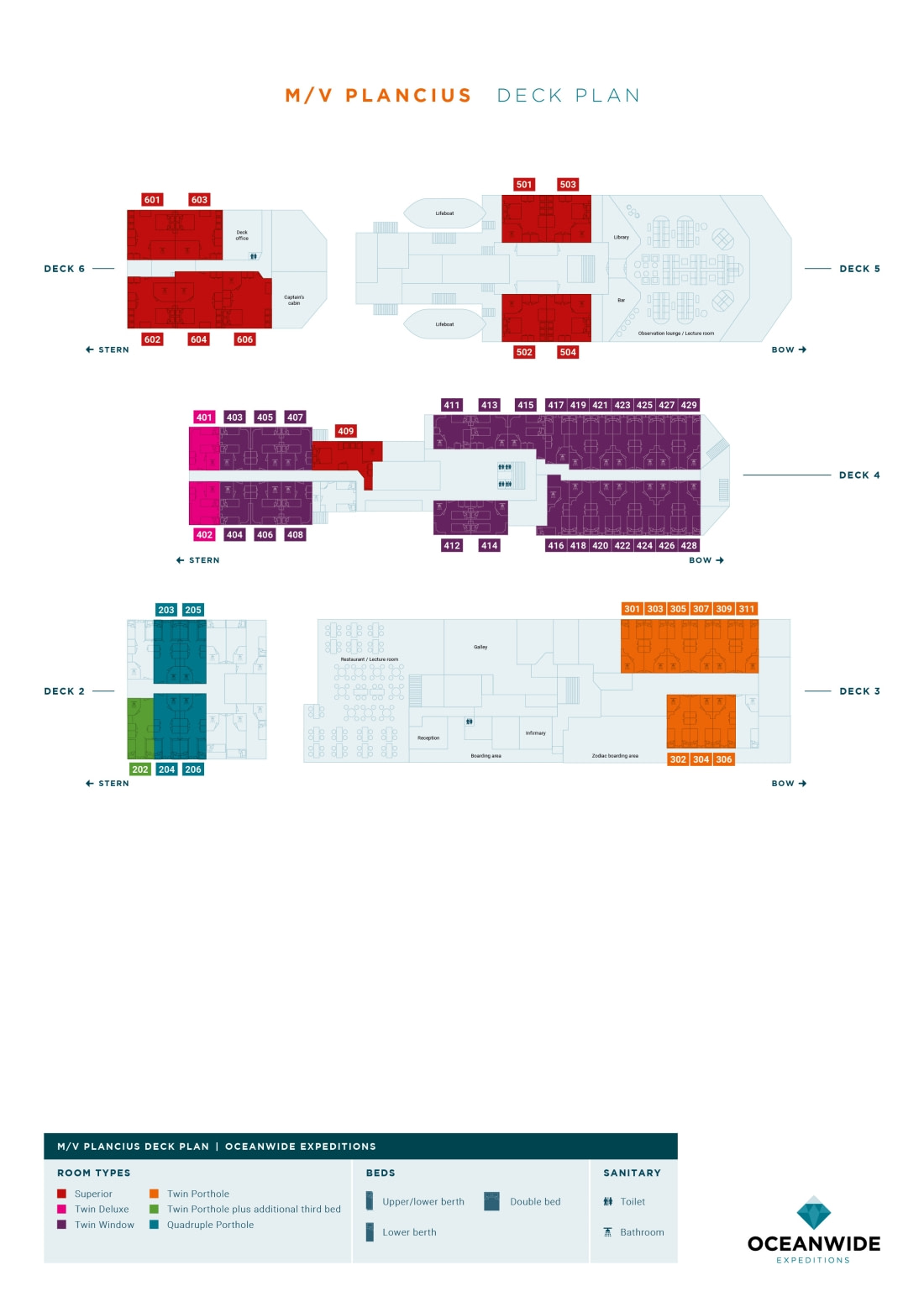
Plancius is an ice-strengthened expedition ship purpose-built for oceanographic work and later rebuilt for passenger exploration, giving it a solid, capable feel that suits remote polar travel. Its diesel-electric propulsion keeps vibration low, while wide open decks, a walk-around viewing level, and a large observation lounge support long hours of wildlife watching. Cabins are simple, functional, and consistent in layout, all with private facilities, while shared spaces such as the lecture room and bar-lounge form the centre of the ship’s educational and social life.
The vessel carries 108 passengers and a full expedition team, supported by a large, international crew that maintains steady operations even in challenging conditions. Zodiac capacity and dual gangways ensure efficient landings, maximising time ashore throughout Antarctica and the Arctic. Plancius is not styled as a luxury ship; its value lies in reliability, stability, and an expedition-first approach that prioritises learning, terrain access, and time in the field.
Diving
You must be advanced and experienced in dry suit and cold water diving. Diving is subject to local ice and weather conditions. Group size: minimum 8 divers.